

 Enhanced – Listen: to the audio article

with Ashley Wiggers
(parents) are the gatekeepers for our kids. We’re the first line of defense. And we determine what we let in around them and what, or who, we don’t. When it comes to the enemy’s attacks against them, we need to realize that it is their identity he’s after.
Satan loves nothing more than trying to transform every situation from a molehill into a mountain. We need to be on the lookout for this tactic and aware of his manipulative ways.
Culturally, there has been a shift in recent years, moving us away from dismissal of feelings towards helping children learn how to deal with and process them. It’s a wonderful shift! Like so many things though, these shifts can bring with them an out-of-balance perspective where we tend to over-embrace what’s new.
The “old” was ignoring feelings and not learning how to handle them. Obviously, this is not helpful. The problem that can arise with the “new,” is that we give too much weight to our feelings. As gatekeepers, we need to be able to recognize when feelings stem from lies the enemy is trying to get us or our kids to believe. They might come from a place of fear or wrong thinking. Should these feelings be processed? Sometimes. But sometimes we just need to throw them out and realize we don’t need to listen to a lie. Wisdom is needed to discern, “Is this a legitimate issue that needs to be dealt with or something the enemy is attempting to turn into a mountain?” That’s where allowing time for prayer and sleep can make such a difference.

The key to being able to help our kids is maintaining a relational connection. When we come from a place of needing to “fix this” or trying to “control” a situation, as I sometimes do, then we need to step back and rethink our motive. The motive of being relational will always lead to a fruitful outcome.
We won’t have influence over someone’s heart if we’re not treating it correctly. For instance, maybe I can clearly see that my son is embracing a lie. If I just tell him that in a get over it kind of way, I’ve lost my opportunity for true influence. I’ll be honest and admit that I sometimes do this, and the results are not helpful. A good thing to keep in mind too is that not every situation brings with it the right timing to address an issue. Sometimes, we need to sit on what we know and wait for the right moment.
My kids are all so different, as I’m sure yours are. My oldest, Lincoln (nine), can be a bit impulsive at times and somewhat intense. His emotions tend to ramp up and leave him overthinking a given situation. Often, what he needs from me is help to come back to center. The intensity of everything being terrible because a couple of things didn’t go well needs to be countered with hope and a positive perspective. Likewise, I try to help him realize that when everything is going well, and he’s happy, he can still maintain that perspective if circumstances change, because we keep our eyes on the long term rather than just the short term.
My second son (six) doesn’t do well with subtle instructions. He needs us to be clear and firm. Direct words and tone work best. That’s what he responds to when it comes to correction as well. As far as his love language goes, he’s very affectionate and sweet. It’s funny to me how these two contrast each other.
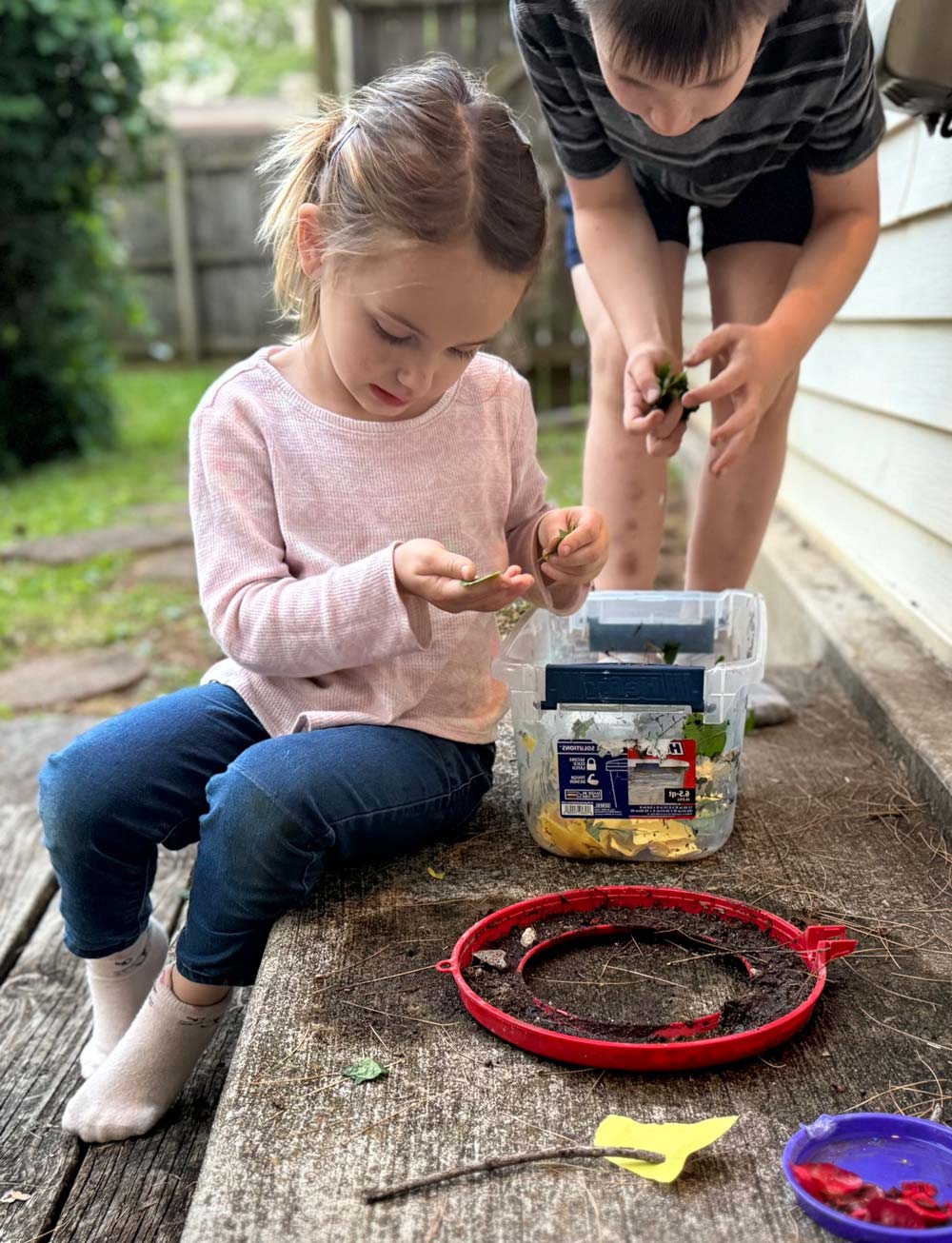
This helps them have parameters beforehand. That way, you’re setting them up for success and reminding yourself that this is a learning process. We also do this on our way to church, the library, or other places where I need them to behave a certain way. If we want them to be quiet, bringing something like coloring pages will help enable them to meet our expectations.
Thank goodness we have our Heavenly Father to help us navigate! As stated by other columnists in this issue, there will be times we do this well and times we don’t. We can learn from both if we remember that our willingness to show up and try again is building a foundation for resilience in us and our kids.


shley Wiggers grew up in the early days of the homeschooling movement. She was taught by her late mother, Debbie Strayer, who was an educator, speaker, and the author of numerous homeschooling materials. It was through Debbie’s encouragement and love that Ashley learned the value of being homeschooled. Currently, Ashley and her husband Alex are the publishers of Homeschooling Today magazine. Ashley is the Co-Executive Editor and a contributing columnist as well as one of the hosts of their podcast, Homeschool Boldly. Husband and wife team, Alex and Ashley are busy raising and homeschooling their three children while running the family business together.