





Preview Issue




 Enhanced – Listen: to the audio article

his issue is all about taming the soul and bringing it into a place of surrendering to the truth. The soul can be defined a few ways, but for our purposes, we’re focusing on this aspect of the soul:


- Built-in geography & history lessons—real national parks, real facts
- STEM & survival skills woven into the story
- Strong character growth in courage, honesty, and leadership
- Great for independent reading OR family read-alouds
- Age range: 8–12
- Fun for the whole family
- Aligns easily with geography, character ed, and nature studies
- Loved by co-ops and book clubs nationwide
- Clean, family-friendly content
Available at Bakkenbooks.com




- Healthy relationships provide a strong foundation for all home learning.
- Children were designed to learn from the day they are born.
- Each child has a unique blend of learning preferences, talents, and passions.
- There’s no one-size-fits-all education—including what they should learn and when they should learn it!
- The more ways kids interact with concepts, the better they understand them.
- Different seasons of life may require different approaches.
- Education should be an adventure!
- YOU are the best teacher for your children.
That’s why we bring you a variety of resources from trusted sponsors and recommended companies we choose to partner with. We hope you’ll check them out!


How will emphasizing the soul affect how we teach our kids? Discover the importance of taming the soul, described by BibleStudyTools.com as “the seat of the feelings, desires, affections, aversions.”




eart and Soul—it’s probably the first duet I learned to play on the piano. Volume 1 centered on the heart, and of course this issue is about loving God with all our soul. But you really can’t separate the two. Like the song, heart and soul fit together perfectly even if there are different notes being played by each set of hands on the keyboard.
What is the soul? That’s a question that’s way too big for me to answer. But I can tell you what part of the soul we focus on in this issue: emotions and appetites. These two areas are very much a part of who we are as image bearers. Like most good things, though, if not controlled by the Spirit, they can be misused, misunderstood, and misapplied.
In Mom to Mom, we’ll start out by considering our own emotions and appetites. And in Cultivating Little Learners you’ll discover what to do with your littlest learners’ big emotions. Connie Albers shares how to cultivate healthy appetites in teens while Colleen Kesler talks about the importance of emotional intelligence for neurodivergent kids—but it really applies to ALL children and teens! These articles will give you practical ideas when it comes to soul-care.
Of course our other columnists are as awesome as always! Trish Corlew has ten ways to make learning about space fun, Michelle Moody dives into the world of laser cutting, and Cheryl Bastian answers another question about homeschooling high school.
We also have a couple of fabulous feature articles, two reviews, and a partridge in a pear tree! (Okay, there’s no partridge. Sorry!)





Enhanced – Listen: to the audio article


hs.today/Stand-With-Durenda

arenting is a sacred responsibility, but not just because we are guiding our own children. God uses it to refine and grow us, His daughters, as well. You may have heard it described as the process of sanctification—that fancy, theological word that means to make us more Christ-like. Thankfully, it is by God’s grace we are saved and it is by His grace that we become conformed to the image of Christ.
One of the hardest parts about teaching our kids is the fact that we are still often in the process of learning ourselves—from controlling our emotions to developing appetites for the true and good things in life. Most of us still struggle in some ways.
 Enhanced – Listen: to the audio article
with Steve Demme

ne fateful April day, I sat slumped in my car looking up through the moonroof. All I could muster was a desperate plea: “O God, help.”
That morning, I had attended a family board meeting where big decisions were being made. As the meeting progressed, I grew more and more uneasy. At one point, I had to leave the room, and as I stood in front of a large vertical window, pain like I’d never experienced began to sweep over me. I leaned against the wall and shook. Deep sobs emerged from within me.
Two of my sons saw my agony and came to hold me, but I put up my arms to keep them away. I stood looking out the window, trying to regain my equilibrium. I felt as though I had just lost my family, my business, and my ministry. I was alone, lost, and without a compass. My world as I knew it had just been shattered.
Finally, I was able to gather myself and walk to my car. I sat, not knowing what to do, and prayed, “O God, help.” As I gazed heavenward, I sensed God looking at me, and this verse ran through my mind:
 Enhanced – Listen: to the audio article

with Ashley Wiggers
(parents) are the gatekeepers for our kids. We’re the first line of defense. And we determine what we let in around them and what, or who, we don’t. When it comes to the enemy’s attacks against them, we need to realize that it is their identity he’s after.
Satan loves nothing more than trying to transform every situation from a molehill into a mountain. We need to be on the lookout for this tactic and aware of his manipulative ways.

Join the growing movement of parents who set aside comparisons, take control of their children’s education, choose courage over fear, and let God lead. Parents who homeschool boldly.


Wherever you listen to podcasts or at:




 Enhanced – Listen: to the audio article
Teaching Decision-Making Skills
he average adult makes approximately 35,000 decisions each day. Some decisions are made without consciously thinking about them while we agonize over others. Despite the fact that decision-making is such a huge part of our lives, most of us grew up with little to no guidance on how to do it.
“He has shown you, O mortal, what is good. And what does the Lord require of you? To act justly and to love mercy and to walk humbly with your God.”


have to admit something. When I was in school I thought history was pretty boring. I loved reading books like the Little House on the Prairie series and other stories set in distant times and places. But that wasn’t history in my mind; textbooks contained history. The books I picked up at our library were simply good stories.
“If history were taught in the form of stories, it would never be forgotten.”
Charlotte Mason coined the term living books. She believed that children learn best when they read real books written by people who are excited and knowledgeable about the subject—not dry textbooks written by committees. These living books take many forms including both fiction and nonfiction. It’s really about the passion of the author for a subject that makes the book live.
 Enhanced – Listen: to the audio article


ave you ever tried offering broccoli to a child who just devoured a candy bar? It doesn’t go well. And neither does offering soul-nourishment to a child who’s been feasting on digital junk all day.
I remember one afternoon when my son came into the kitchen, shoes untied and full of energy—well, the kind of energy that crashes fast. “Mom, I’m starving!” he groaned. He had just downed a sugary juice pouch, but I sliced cucumbers and peppers and offered hummus. He wrinkled his nose, grabbed a handful of gummy bears, and dashed back out.
Ten minutes later, he was irritable and restless. So, I did something simple: I invited him on a walk. He dragged his feet at first, but halfway down the trail, we were laughing, pointing out birds, and reconnecting. That one slight pause reminded me that what we feed, both in body and soul, becomes what we crave.

 Enhanced – Listen: to the audio article

by


Parenting Big Emotions in Little Bodies
you’ve been parenting for more than two years, you’ve undoubtedly experienced at least one meltdown of epic proportions. I know I have more times than I can count! Picture this: You’re in the middle of Target, your child spots that toy they’ve “always wanted,” and you, the villain of the day, dare to say no. That’s it—their last straw. They crumple to the floor, flailing, screaming, and suddenly, all eyes are on you. Your face flushes, and you’re left with a split-second decision: Do I scoop them up and make a mad dash for the car, abandoning my half-full cart? Do I try to calm them down right there? Or do I just start flailing on the floor beside them? If I’m being honest, I often landed somewhere between option two and three!
The topic of big emotions is a hot one in parenting, but you can navigate these intense moments in a way that truly fosters emotional intelligence, strengthens family bonds, and leads to a more peaceful and productive home environment. We’ll delve into the fascinating science behind these emotional eruptions, explore real-life strategies I’ve used as a mom, nana, and child development specialist, and hopefully help you feel much more confident the next time your little one falls apart in a massive way.
 Enhanced – Access: the website links
by Trish Corlew

A study of space can also open the door to every subject area: science, art, math, literature, and even culinary arts! Whether you want to weave space into your regular studies or during a break, create your own DIY Astro Camp at home or just spend some time marveling at the universe—here are ten creative ways to make it out of this world!
Try a fun, simple experiment on the water cycle or learn about plant life and ecosystems. Older learners can go deeper with a hands-on Planet Earth Lapbook covering layers, oceans, and continents. And for a fun, memorable project? Make an edible model of Earth’s layers or a soil-layer dessert.


approach
to parenting
changes
everything!
Move away
from reward/
punishment
models and
revolutionize
your parenting.


Move away from reward/punishment models and revolutionize your parenting.
–Shirley from NJ
–Jeremy from CT
–Candice from CA


with
Kay Chance
id you know that the average cost for a Master’s degree in Education is around $45,000? That doesn’t include the expense of the bachelor’s degree you need before pursuing graduate education either!

From homeschooling in general, books on specific methods, and ones that address unique situations—your teacher education can be completely customized to what your family needs.


ou’ve probably read Colleen’s column Raising Lifelong Learners and know what a wealth of information and wisdom she has to offer. Her most recent book, The Homeschool Advantage, is perfect for both beginning homeschoolers and those with years of experience.
Oh how I wish I had this book when I was homeschooling! It’s a book that says, “You can do this!” as well as “I’ll help you along the way.” Filled with actionable suggestions and practical guidance, Colleen sprinkles stories throughout about her children (with their permission) and other homeschoolers. Her ideas aren’t just theoretical. Colleen has lived it while also consulting and encouraging many others through the years.
As a mother of twice-exceptional children, Colleen knows that each child is unique and gifted in their own ways. The Homeschool Advantage is truly for any parent who wants to honor who their children are. As she says:



with Spencer Askew


with Spencer Askew

ummer’s lengthy days give us an extra measure of time to savor the beauty unfolding in front of our eyes. With increased daylight hours, the earth warms more each day, creating the perfect conditions for plant life to practically burst at the seams! Every living thing is in a race to grow to its fullness, to fill the earth with its kind. The rapid growth is impressive, and reminds us of all that’s possible when conditions are ripe.
As we enter the autumn months, we begin a season of harvest and reaping what we’ve sown throughout the year. This is not only true for our plants and our gardens, but for ourselves and our families. We begin the journey back to the holiday season. The days begin to grow shorter, we retreat into the warmth of our homes, and we celebrate with the people that matter most — and celebrate we should!


2. Invite Church members, neighbors, and anyone who’ll benefit from healthy food and local community fellowship.
3. Azure will give your Church 2% back on all your orders. It’s an easy way to serve your community and raise funds for Church ministries, programs or other projects.


2. Invite Church members, neighbors, and anyone who’ll benefit from healthy food and local community fellowship.
3. Azure will give your Church 2% back on all your orders. It’s an easy way to serve your community and raise funds for Church ministries, programs or other projects.


here you are again, standing in your hallway after your child’s bedroom door slams shut. Your heart’s still racing from an argument that started with math but ended with tears and sharp words. You’re left thinking, “I have no idea what I’m doing.”
When your child needs emotional support, it can leave you feeling like you don’t know how to respond or even overwhelmed with your own difficult emotions.
For many of us, emotions weren’t something we grew up discussing. Maybe your house was full of yelling. Maybe it was stone silence. In mine, big feelings either exploded or got stuffed—there wasn’t much in between. So, when my kids started having big emotional meltdowns of their own, they felt terrifying. I didn’t have tools—I had triggers. I had to learn how to process my own emotions while figuring out how to support theirs.

Enhanced – Listen: to the audio article


Jennifer Cabrera
“It’s just three sentences! Rewrite them correctly and you will be finished with your work. It won’t take you more than ten minutes. Please, get up and do it now.” I begged through the crack in the door. My nine-year-old was sprawled across the bed, facedown, a puddle of outrage, defiance, and defeat.
his wearying situation plays out in many homeschool households each day. On the surface it seems to be a simple test of will; a child’s need to escape expectations vs. the parents’ need for control.
Sadly, the contest of who can throw the bigger fit ensues and the competition is often followed by guilt and giving in on the part of the parent.
If our children would just do what we ask… when we ask… exactly how we ask… and without letting their wants and feelings clash with our own, all would go swimmingly instead of drowning in a whirlpooling stand-off of appetites and emotions.


hroughout our homeschooling years, we met with a small group of families on Fridays. During the kids’ elementary years, we would all read from one of the Exploring Creation texts by Jeannie Fulbright and do the projects together. We went on fun field trips based on the volume we studied, including NASA in Houston, Texas; the Fort Worth, Dallas, and Oklahoma zoos; the Dallas Arboretum, the Dallas Aquarium, and our local nature center. It was such an incredible experience for us all!
Coming from a seven-day creationist viewpoint, each book in the Exploring Creation series focuses on what was created on each of the seven days. They’ve been updated since we used them and now include some great resources like notebooking journals and an audio edition (perfect for your auditory learners or doing science “on-the-go”).


with Michelle Moody
A Beginner’s Guide for Parents
you had told me five years ago I’d be the one operating a laser cutter at home, I probably would’ve laughed. My husband has worked in the precision machining industry for years, and we already had a 3D printer creating replacement parts for home appliances and some of my husband’s car repair projects. We even used it last Christmas to make some fun Christmas presents.
STEM talk is pretty common around our dinner table. But the idea of a laser cutter? That was new—and honestly, it was the promise of STEM learning paired with a home-based crafting business that drew me in.
After spending time in STEM educator groups and going down a serious YouTube rabbit hole, I discovered that laser cutters aren’t just fun tech toys. They’re incredibly powerful learning tools that offer a hands-on approach for both adults and students to explore digital design, engineering, problem-solving, and creativity. Plus, they’re not as intimidating as they look once you understand the basics.
 Enhanced – Listen: to the audio article
Colleen Kessler, M.Ed.
Colleen Kessler, M.Ed.
homeschooling moms of neurodivergent kids—those beautiful, complex, creative, anxious, intense, twice-exceptional, autistic, ADHD, or learning-challenged humans we love so much—we carry a lot.
We juggle lesson plans, therapies, emotional outbursts, doctor visits, and meltdowns over socks that “feel weird.”
We worry whether we’re doing enough, doing it right, or doing too much.
And most of all, we want to raise kids who thrive—not just academically, but socially and emotionally too.


Question: How Do We Refresh Our High School Learning?

wo decades ago, if you were eavesdropping on my mid-summer monologue with my ninth grader you would have heard something similar. I was in full planning mode reviewing his progress toward graduation, checking boxes. My once eager-to-learn son tried hard to hide his indifference. He saw me working and didn’t want me to be discouraged. High school had become stale and monotonous. I wasn’t sure what was missing, but I instinctively knew change was necessary.
 Enhanced – Watch: the review video
Curriculum Consultants
Gina Burmeier &


Need something to keep those library books all in one spot? Plastic Book Bins ② by Storex come in small or large sizes and in many different colors. These book bins are made of sturdy plastic and feature front and rear handles for easy gripping and carrying, even for little hands. Sides of bins link together for compact, safe storage.
Reusable Dry Erase Pockets ③ by C-Line® save paper, time, and money. Pages insert from the top, so you can easily slip in single, loose-leaf worksheets or even fold thin workbooks to the desired page and slide them in. Use dry-erase crayons or markers and, when the lesson is completed, wipe off the pocket to use again. The edges of the pocket are stitched with opaque, colored plastic binding and there is a grommet at the top of the pocket. 9” x 12” pockets actually measure 10” x 13.5” and are available separately or in a kit with two dry erase pockets, a set of four dry erase crayons, and 10 pre-printed education templates with letters to trace, a clock face, and more. Also available is a 12” x 9” side loading pocket that is great for landscape-oriented papers, or a 6” x 9” for half-size sheets of paper or small booklets.




 Enhanced – Listen: to the audio article

lmost from the beginning of history, people and theologians have debated and tried to quantify the soul. The Bible talks about it and Jesus tells us to love God with all of it, but still, it’s hard to grasp.
Now don’t worry, I will not weigh in except to say, I think it’s in your bones. That deepest part of your being that speaks to you. Some might call it the gut, but I like bones better.
I’ve heard people say with passion, “I just feel it in my bones.” Now, of course, they don’t mean they feel a tingling sensation in their real bones like their femur or tibia, but I know what they’re talking about. It’s that place…you know…YOUR SOUL.
In homeschooling, it’s that part of you that whispers, “Take it easy…stop and enjoy…you’ve done enough.” It might insist, “That stuff doesn’t matter…who cares if they learn that…this seems stupid to me and a waste of time.”
Ad Index
Answers in Genesis
www.answersingenesis.org
Azure Standard
www.azurestandard.com
Bakken Books
www.bakkenbooks.com
Biblical Parenting
www.biblicalparenting.org
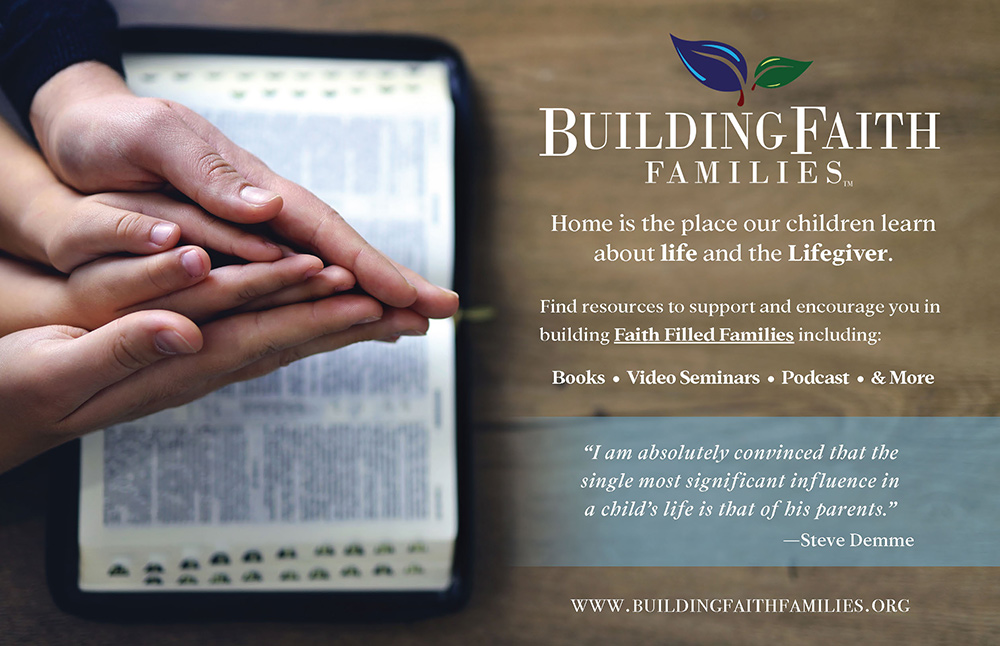
Building Faith Families
www.buildingfaithfamilies.org
Celebrate Simple & Cheryl Bastian
www.cherylbastian.com
Connie Albers/Parenting Beyond the Rules
www.conniealbers.com
Dianne Craft: “Right Brain” Learning System
www.diannecraft.org
Durenda Wilson
www.durendawilson.com
Evangel University
www.evangel.edu
Hifalutin Homeschooler
www.hifalutinhomeschooler.com
Hip Homeschool Moms
www.hiphomeschoolmoms.com
Homeschool.com
www.homeschool.com
Homeschool Boldly Podcast
www.homeschoolboldly.com
Homeschool Essentials
www.homeschoolessentials.net
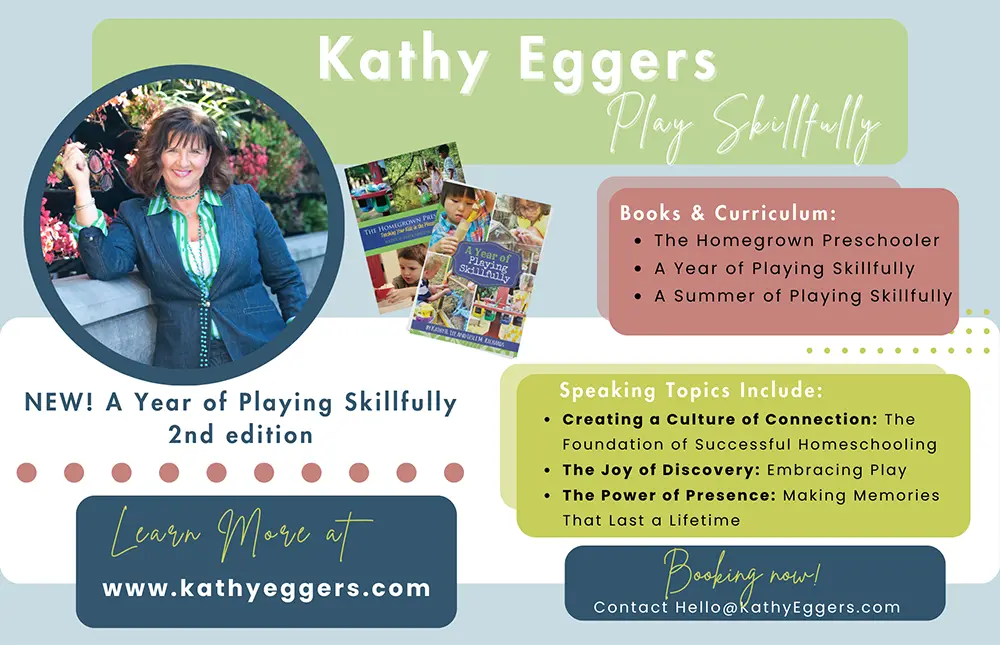
Kathy Eggers
www.kathyeggers.com
Math Mammoth
www.mathmammoth.com
Moody Publishers
www.moodypublishers.com
Rainbow Resources
www.rainbowresource.com
Rethink Geography World Map Set
www.geomatters.com/rethink-maps
Spelling Power
www.thespellingpower.com
The Smiling Homeschooler & Todd Wilson
www.thesmilinghomeschooler.com
Ad Index
www.answersingenesis.org
Azure Standard
www.azurestandard.com
Bakken Books
www.bakkenbooks.com
Biblical Parenting
www.biblicalparenting.org
Building Faith Families
www.buildingfaithfamilies.org
Celebrate Simple & Cheryl Bastian
www.cherylbastian.com
Connie Albers/Parenting Beyond the Rules
www.conniealbers.com
Dianne Craft: “Right Brain” Learning System
www.diannecraft.org
Durenda Wilson
www.durendawilson.com
Evangel University
www.evangel.edu
Harding University
www.harding.edu
Heart of Dakota
www.heartofdakota.com
Hifalutin Homeschooler
www.hifalutinhomeschooler.com
Hip Homeschool Moms
www.hiphomeschoolmoms.com
Homeschool.com
www.homeschool.com
Homeschool Boldly Podcast
www.homeschoolboldly.com
Homeschool Essentials
www.homeschoolessentials.net
Kathy Eggers
www.kathyeggers.com
Math Mammoth
www.mathmammoth.com
Moody Publishers
www.moodypublishers.com
Rainbow Resources
www.rainbowresource.com
Rethink Geography World Map Set
www.geomatters.com/rethink-maps
Spelling Power
www.thespellingpower.com
The Smiling Homeschooler & Todd Wilson
www.thesmilinghomeschooler.com

Co-Executive Editors
DESIGN DIRECTOR
COPY EDITORS
Subscription Inquiries
ADVERTISING
WEBSITE
Ashley Wiggers
Kay Chance
Alex Wiggers
Cindy Wiggers
Dr. Greg Strayer
info@homeschoolingtoday.com
advertising@homeschoolingtoday.com
www.homeschoolingtoday.com
Co-Executive Editors
DESIGN DIRECTOR
COPY EDITORS
Subscription Inquiries
ADVERTISING
WEBSITE
Ashley Wiggers
Kay Chance
Alex Wiggers
Cindy Wiggers
Dr. Greg Strayer
info@homeschoolingtoday.com
advertising@homeschoolingtoday.com
www.homeschoolingtoday.com
Homeschooling Today magazine is published four times per year by Paradigm Press, LLC. Subscription price: $60 yearly or $15 quarterly. Premium Digital Edition also available.
Homeschooling Today magazine reserves the right to refuse without explanation any advertisement it deems unsuitable for our audience.
To use an article, include the following credit: Originally published in Homeschooling Today® magazine (issue and year). Used by permission. All rights reserved. www.homeschoolingtoday.com
©Paradigm Press, LLC. All rights reserved.
This material is protected under the copyright laws of the United States and International Treaty. Reproduction of any portion without the written permission of Homeschooling Today is expressly prohibited.
The views and opinions of any or all of the various authors are not necessarily those of Homeschooling Today magazine, its publishers, or editors, and no representation as to the accuracy of such is made. Every effort has been made to verify that all websites mentioned as resources throughout Homeschooling Today magazine are appropriate for Christian families. However, we urge parents to check the sites themselves for content and always exercise extreme caution before allowing children to access the Internet unsupervised.