


have to admit something. When I was in school I thought history was pretty boring. I loved reading books like the Little House on the Prairie series and other stories set in distant times and places. But that wasn’t history in my mind; textbooks contained history. The books I picked up at our library were simply good stories.
“If history were taught in the form of stories, it would never be forgotten.”
Charlotte Mason coined the term living books. She believed that children learn best when they read real books written by people who are excited and knowledgeable about the subject—not dry textbooks written by committees. These living books take many forms including both fiction and nonfiction. It’s really about the passion of the author for a subject that makes the book live.
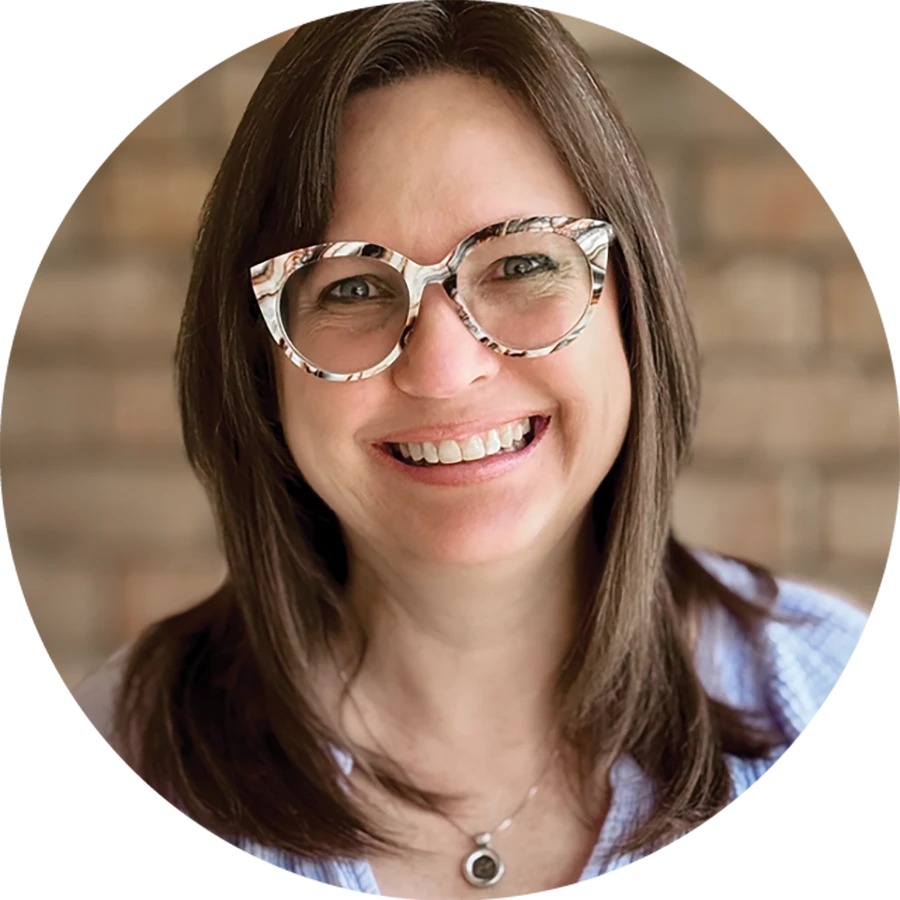
One fascinating era of history is World War II, but obviously it’s a very difficult era of history to teach to elementary students. But Moody Publishers brings us a fun series for kids, Heroes on the Home Front Mysteries, by Nell Branum. Nell is the daughter of a World War II paratrooper and a Rosie the Riveter and believes God still uses lessons from history. You’ll notice one characteristic of a living book: it’s written by an author who is passionate about her subject. Having been both an editor and elementary school librarian, Nell understands the power of story!
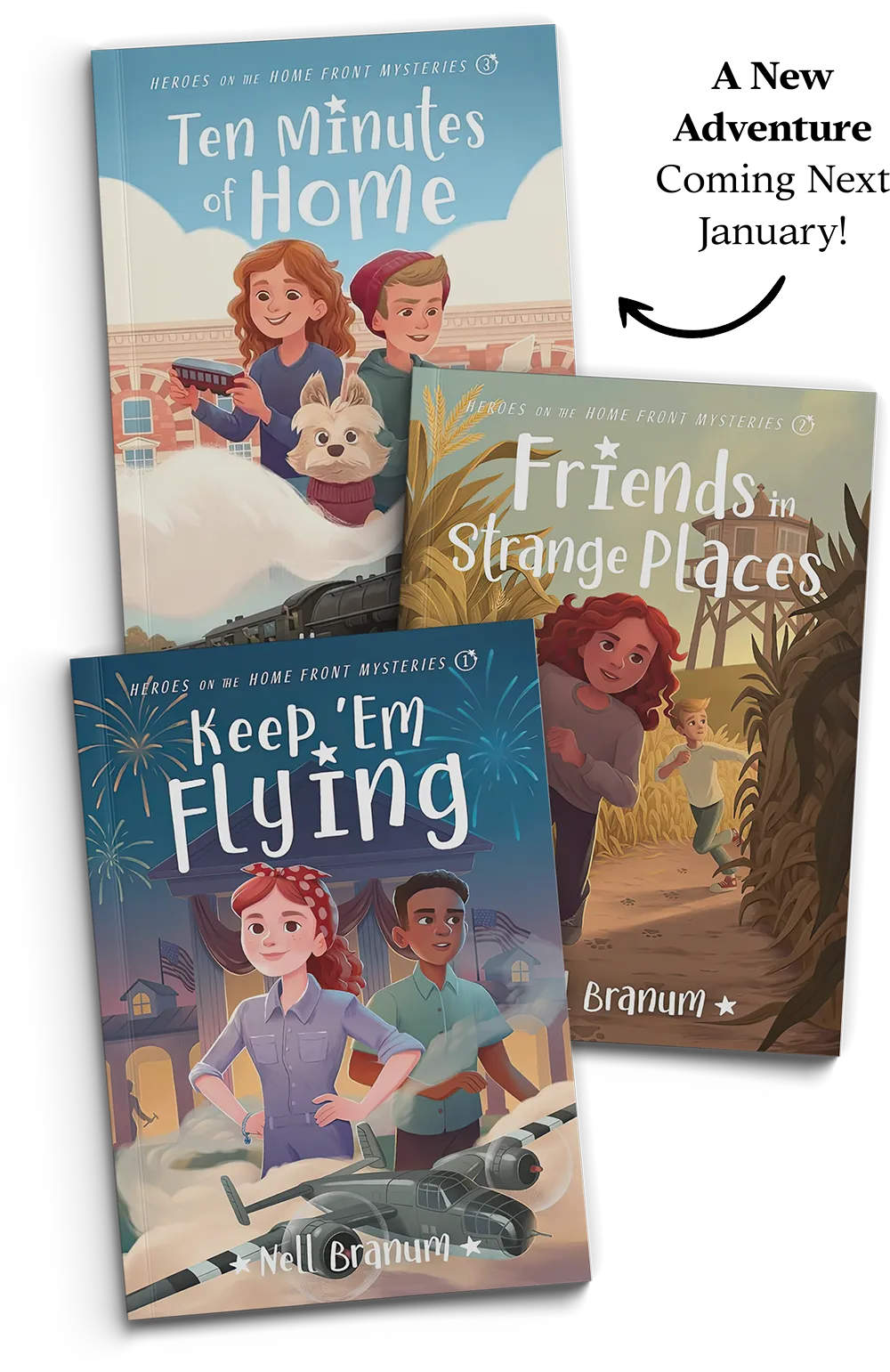
At the end of each book are several sections that really enhance the learning opportunities. They will help kids who want to learn more, dig deeper into the historical period. That’s what a good living book does. It sparks curiosity!
- Author’s Note. Where did the idea for this book come from? What’s the author’s connection to the story? Learn more in this section straight from Nell Barnum.
- Fact or Fiction. Here the author sorts out what are the actual historical facts, events, and people versus those inspired by historical facts, events, and people.
- If You Want to Know More gives websites your kids can visit to discover additional information about different things mentioned in the book.
- Acknowledgements. No author writes a book alone. Reading the acknowledgements is a great way to show kids how much writers need support!
- Notes. How often do you come across a bibliography in a fictional book? These notes show where the author got her facts and provide a great list for further study as well.
hs.today/moody-pub