

 Enhanced – Listen: to the audio article



ive mornings a week, I woke at 5:00 and worked out until 6:30. Starting the day that way cleared my mind and got me ready for everything waiting on the other side of sunrise; and with five children to raise and homeschool, there was always plenty waiting.
Our days were full: lessons, meals, laundry, questions, corrections, the endless movement of a house full of children. I liked being productive. More than that, I liked being capable.
I knew something was wrong.

That plan did not last long. My body was too weak. Concentration was hard. Pain and exhaustion consumed more of me than I wanted to admit.
It took a year of treatment and another year of recovery before I regained my strength. Those two years were filled with many emotions, but one returned more than the others: uselessness.
I was still a wife. Still a mother. Still the same woman who loved her family. But the ways I had always expressed that love had been taken from me. I couldn’t teach the way I had taught. Meals were prepared by someone else. The house kept functioning without my constant management, and that was harder to accept than I expected.
My quiet exposed something in me I hadn’t fully named: I had built a lot of my sense of worth on being productive. Accomplishment was how I reassured myself that my life mattered. So when I could no longer point to what I’d finished or managed, I began questioning whether I was still useful at all.
Most mothers know some version of this pressure, even without a life-altering illness. We’re told constantly to do more, be more, build more. And that ordinary faithfulness rarely looks impressive next to someone else’s visible success. A mother can meet real needs all day long and still lie down at night convinced she accomplished nothing that counted.
We’ve grown so used to looking for evidence of success that we can miss formation while it’s happening in front of us. Children grow slowly. Character is built through repetition. Faith takes root in ways we can’t always see. A family’s culture isn’t shaped by one impressive moment but is built from thousands of ordinary encounters spread across years.
During my illness, I couldn’t give my children the structure I’d planned. At the time, I mostly worried about what they were losing. Looking back, I can see what else was happening: they were learning that family cares for each other when life gets hard. Flexibility stopped being optional. Compassion grew because someone they loved needed help. None of that was on my homeschool schedule. God was still teaching, just not through me, and not through anything I could see at the time.
What if the season that feels unproductive is actually producing something you simply cannot see yet? Patience, growing in the exact place you feel delayed. Dependence on God, deepening because your own strength finally ran out. A child who seems uninterested, holding on to more truth than you realize.
Quiet does not mean empty. It means the growing is happening somewhere you can’t watch it.
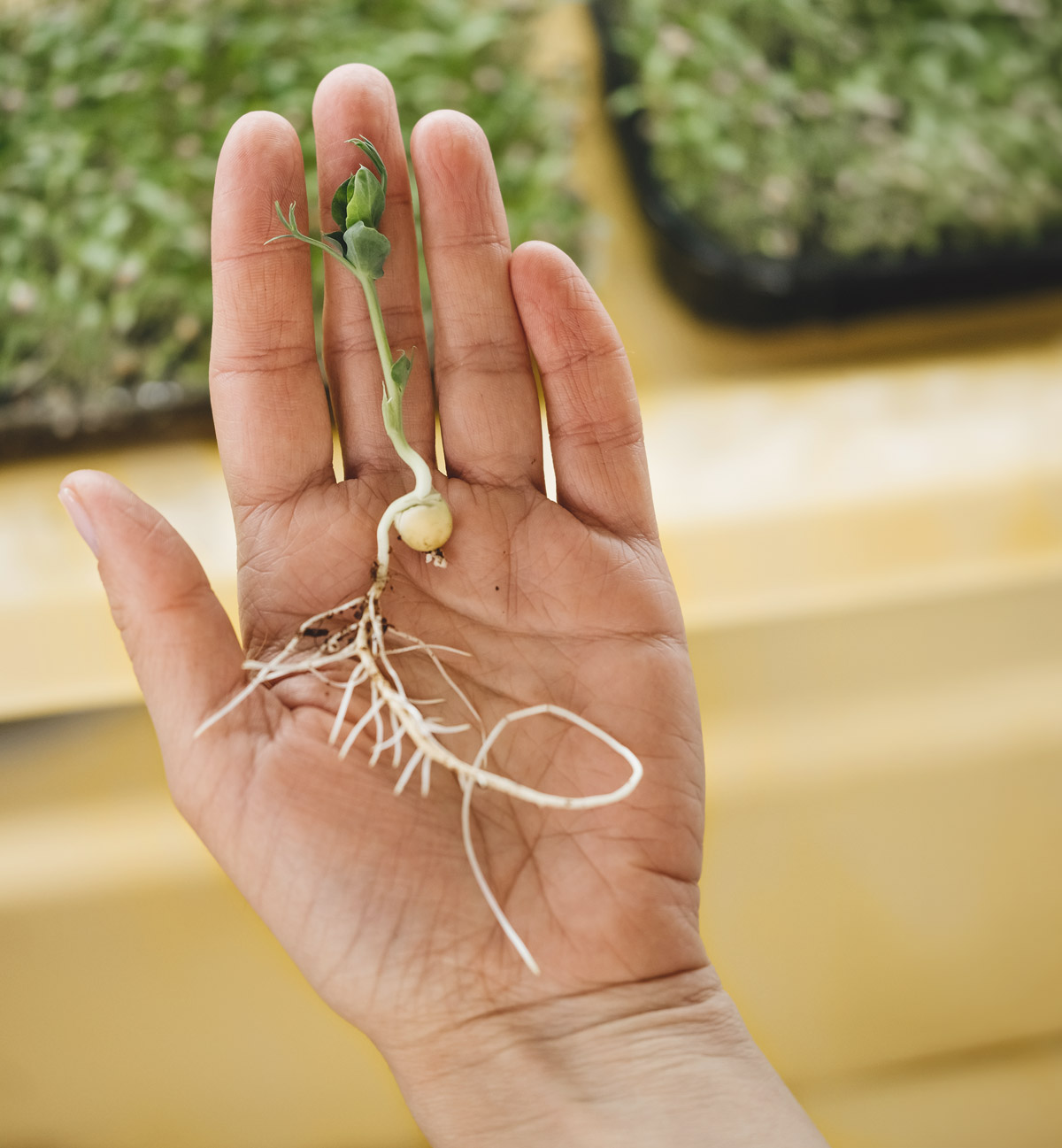
That realization did not come quickly. I wrestled with frustration, fear, and guilt. Some days with grace, other days without it. The story is not neat. I would not choose that season again, but I no longer believe it was empty.
Recovery was a gift. But the deeper gift may have been what the quiet revealed. My family was not sustained by my strength alone. My children’s futures did not depend entirely on my ability to keep every plan in motion. God was present in our disrupted home, working through weakness, through a schedule that had fallen apart, through days that felt far less productive than I wanted them to be.
I once believed that season had interrupted my meaningful life. I understand now that it was part of it.
Perhaps your season feels smaller than you expected: repetitive, hidden, delayed. You’re looking for proof that your prayers and your ordinary obedience are producing something worthwhile. The truth is, not all fruit appears while we’re still planting. You may not see what’s forming in your child. The work God is doing in you may stay hidden for a long time.


onnie Albers is a mother of five and veteran homeschool mom who has used her public relations background to help shape the homeschooling movement for twenty-seven years. She has spent much of her adult life as a homeschool mom and mompreneur with an outreach and ministry to parents through her speaking, writing, and various leadership roles. More recently Connie’s newest book, Parenting Beyond the Rules by NavPress, outlines positive approaches to parenting today’s teenagers. Her enthusiasm for helping others navigate social media led to her taking a post at Social Media Marketing World. Connie’s mission is to equip moms to live their lives with confidence and joy.
Connie and her husband, Tom, have been married thirty-four years. They homeschooled all five children from the beginning; all five continued their studies and graduated from the University of Central Florida.