




well-done biography about an interesting person, like George Washington, brings life to the cold facts such as significant dates, parents and siblings, education, and vocation. A good biographer presents accurate information as well as glimpses of personality gathered from quotes, interviews, and other writings. A good biographer does not take facts or anecdotal information out of context but works to enhance the whole person being developed.
A good biography is a trustworthy biography. The information presented is verifiable and put in its historical context. The author of a good biography, especially one writing to young readers, usually likes the subject and judiciously chooses positive, admirable virtues to showcase.
The books I’ve chosen about George Washington demonstrate three different ways of presenting biographical information. The first, George Washington, a children’s picture book, is what I would call a biographical portrait. In this kind of biography, the author is like an artist who meticulously paints an image that is the focal point of the picture. Significant information about the subject is included to enable the viewer/reader to identify and recognize the subject in other pictures.
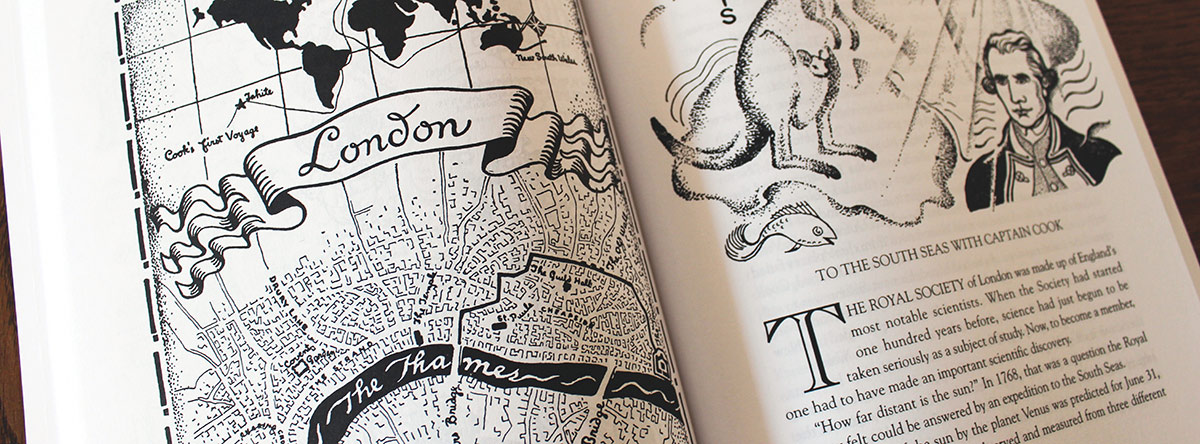
The second book, George Washington’s World, could be called a biographical landscape, in which the background scenery the artist/author paints connects the subject to many of the events, people, customs, and surroundings that were important to his life.
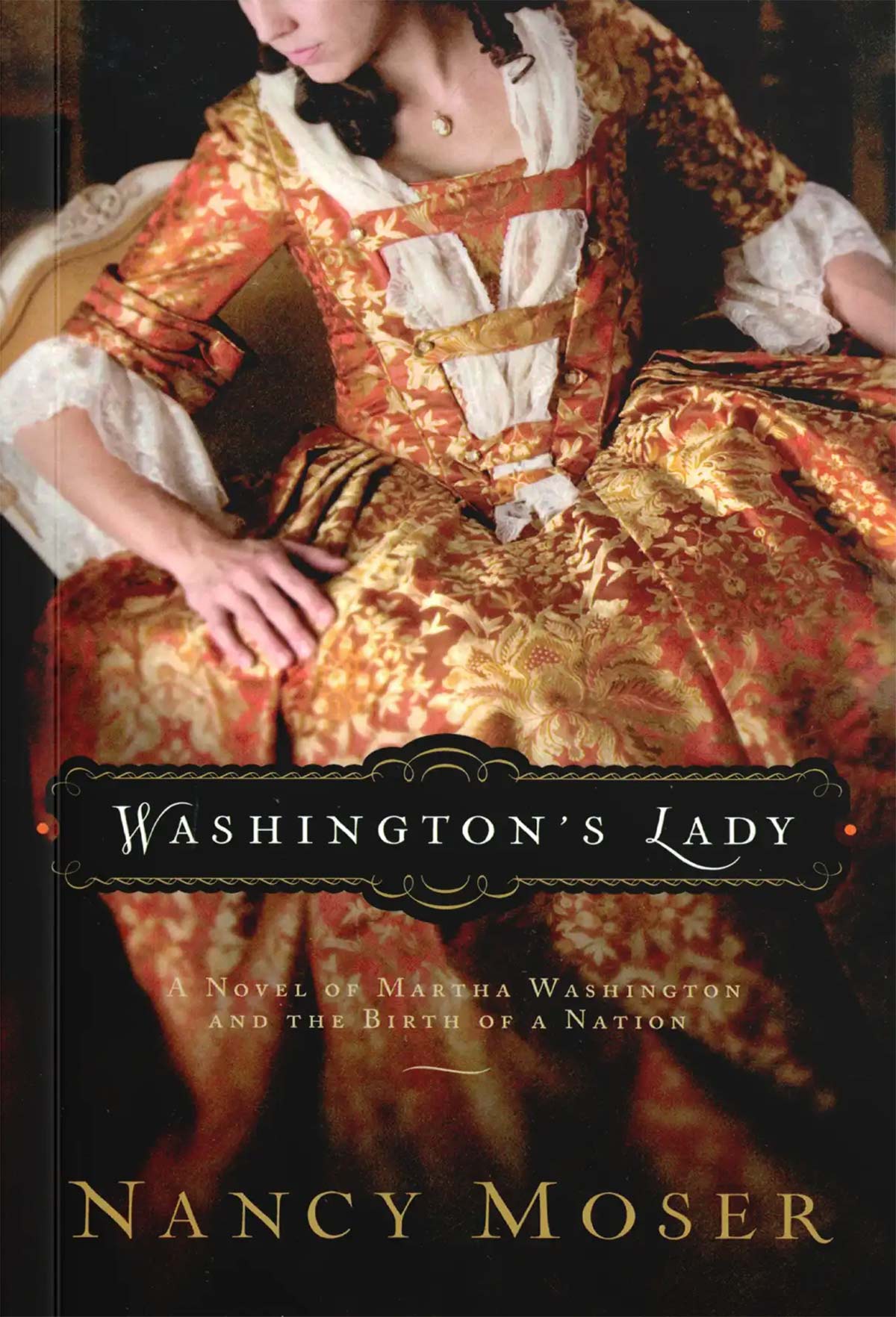
The third book, Washington’s Lady, differs from the first two types of biography the way film differs from photographs. I call this a biographical movie. The reader is watching the characters move through a story. A good writer of fictionalized biography will stay true to the historical data but will imbue it with life and color.
he D’Aulaires were a husband-and-wife team of author/illustrators who delighted in many of the people who were a part of America’s story, from Leif the Lucky to Pocahontas to Washington and Lincoln. They liked Buffalo Bill, too!
The bright, colorful illustrations of the D’Aulaires draw the reader into the highs and lows and ups and downs of George Washington’s life. The simple, uncluttered artwork allows the character of Washington to dominate the pages. The simple facts of his life are clearly laid out. A few of his challenges are mentioned, but mostly the strengths and achievements of this great man are featured.
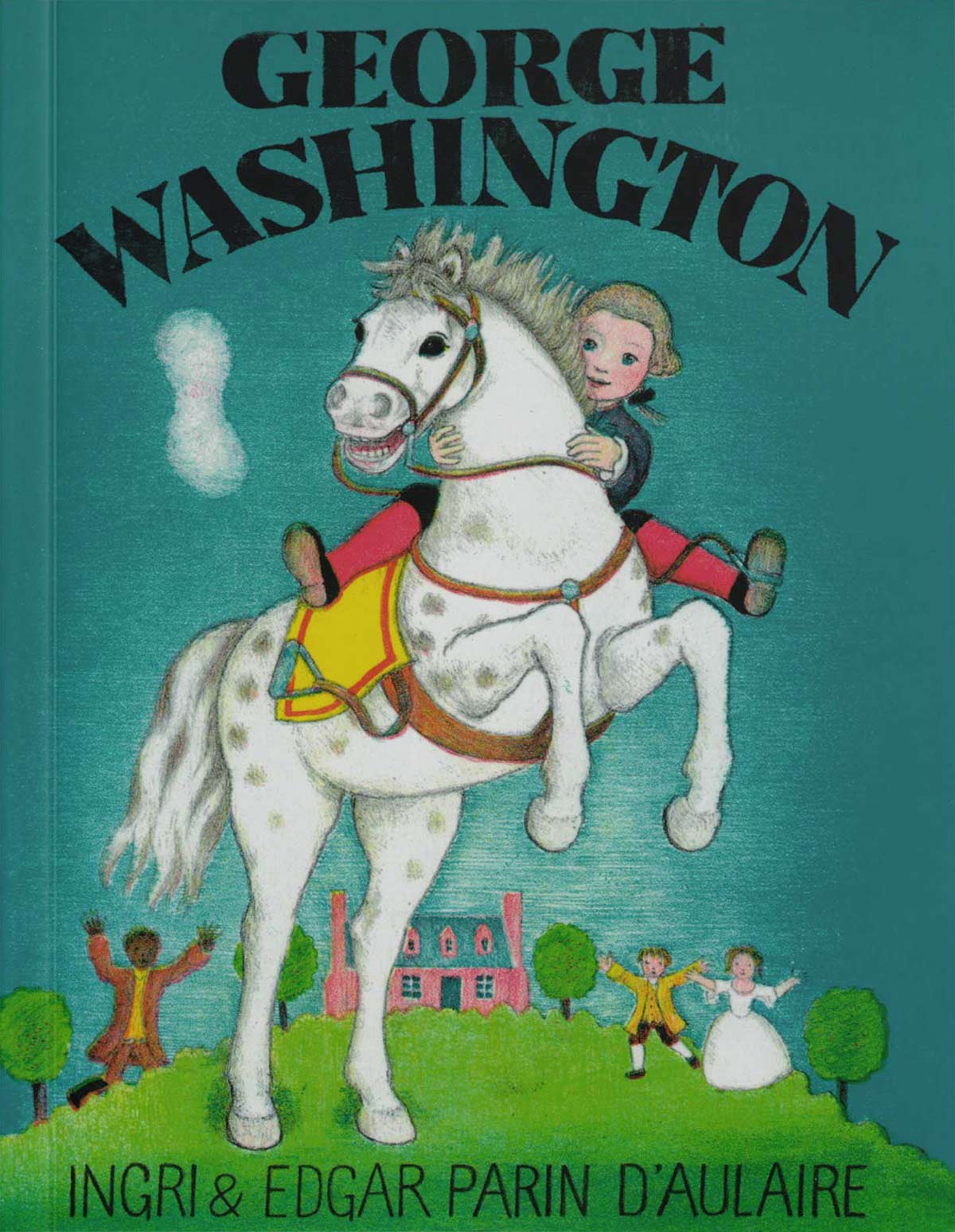
he D’Aulaires were a husband-and-wife team of author/illustrators who delighted in many of the people who were a part of America’s story, from Leif the Lucky to Pocahontas to Washington and Lincoln. They liked Buffalo Bill, too!
The bright, colorful illustrations of the D’Aulaires draw the reader into the highs and lows and ups and downs of George Washington’s life. The simple, uncluttered artwork allows the character of Washington to dominate the pages. The simple facts of his life are clearly laid out. A few of his challenges are mentioned, but mostly the strengths and achievements of this great man are featured.
* Baking from scratch refers to the grain fed to chickens, called “scratch,” probably because chickens scratch in the dirt for it. To make or bake something from scratch means what?

enevieve Foster was a highly regarded biographer who wrote and illustrated beginner biographies as well as biographies for middle to high school students. Her World of… biographies, written more than fifty years ago, are unique because Foster did not take her subjects out of their worlds. She delved into the worlds in which her subjects lived and discovered how the subjects were linked with other events and people who did not at first seem to be part of their stories, but actually were.
These biographies were a learning experience for me. I had a vague idea of the flow of history, but I had never noticed the connections among people and events until I saw Foster’s remarkably informative two-page spreads at the beginning of each section. “Oh! Really? James Watt? Frederick the Great? Captain James Cook? They were all peers of Washington?”

enevieve Foster was a highly regarded biographer who wrote and illustrated beginner biographies as well as biographies for middle to high school students. Her World of… biographies, written more than fifty years ago, are unique because Foster did not take her subjects out of their worlds. She delved into the worlds in which her subjects lived and discovered how the subjects were linked with other events and people who did not at first seem to be part of their stories, but actually were.
These biographies were a learning experience for me. I had a vague idea of the flow of history, but I had never noticed the connections among people and events until I saw Foster’s remarkably informative two-page spreads at the beginning of each section. “Oh! Really? James Watt? Frederick the Great? Captain James Cook? They were all peers of Washington?”
George Washington was highly regarded for numerous generations because he embodied the American Dream. His father’s early demise when he was eleven meant George had to work hard to help support his mother and siblings. He accepted advice and criticism and became a responsible young man. Eventually, when he became a general serving in the Revolutionary War, he was admired for his ability to get along with the common soldier and encourage and lead the officers.
Though he was not our first president, he was the first to serve after the Constitution was signed and the United States was officially established.
Use your copy of the rules to write a current paraphrase of them. Ask at least five people to review both lists and vote on which list is clearer.
ne of my favorite genres of literature is fictionalized history and biography. The difference between fictionalized history and historical fiction is that fictionalized history uses a story to tell the truth about characters and events of the past. The truth is the goal. Historical fiction uses history as a stage setting or backdrop to the story. The story is the goal.
Washington’s Lady is fictionalized history. Moser, the author, has a firm commitment to tell the truth about George and Martha Washington, so she avoids any conjectures that cannot be supported with strong evidence. Getting to know George through the eyes of Martha is an interesting approach. Getting to know a bright personality like Martha at the same time is a bonus.
ne of my favorite genres of literature is fictionalized history and biography. The difference between fictionalized history and historical fiction is that fictionalized history uses a story to tell the truth about characters and events of the past. The truth is the goal. Historical fiction uses history as a stage setting or backdrop to the story. The story is the goal.
Washington’s Lady is fictionalized history. Moser, the author, has a firm commitment to tell the truth about George and Martha Washington, so she avoids any conjectures that cannot be supported with strong evidence. Getting to know George through the eyes of Martha is an interesting approach. Getting to know a bright personality like Martha at the same time is a bonus.
What famous cemetery was the former home of one of Martha Washington’s great-granddaughters?


an Bloom, author of Who Should We Then Read?, is a vintage bookseller and homeschool conference vendor and speaker. She earned her BS in physics and math prior to falling in love with living books. Jan and her husband, Gary, homeschooled their three children into adulthood and have four grandchildren.