

 Enhanced – Listen: to the audio article

Being shaped by Jesus from the inside out

by Kay Chance
Introduction: a new column
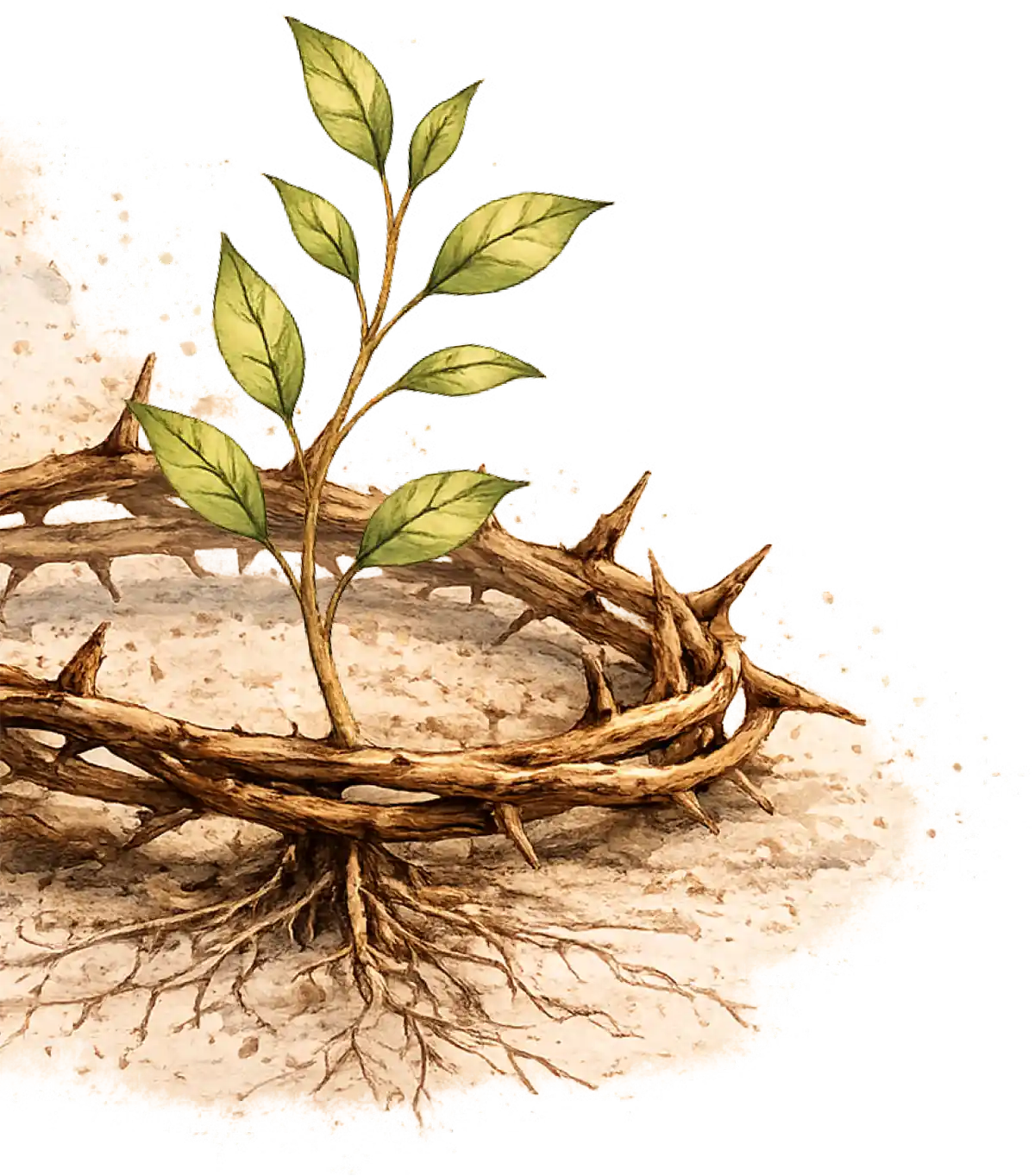
go through many seasons during our lives. The last five years have been quite “wintery” for my family. The dark, frigid kind of winter where you really don’t even want to go outside. I developed a chronic illness, both of our fathers passed away, and we experienced an incredibly painful time in our church of twenty-four years. As my anxiety increased about going to church, we finally decided to leave. It’s a long and complicated story, but from it a question took shape that I’ve been carrying around for the last several years: “What’s missing?” As a church, we spent so much time in Bible study, yet things fell apart. And our story isn’t unique. We all feel the anger, tension, and unrest of our times, even within the Christian community. Winter feels bleak.
The question “What’s missing?” led me to learn about Christian spiritual formation, and I’ve become so passionate about it that I’m pursuing a Master of Arts in Christian Spiritual Formation and Leadership. This new column is born out of all that I’m learning, and I’m excited to share it with you. We are all being formed by something or someone. Christian spiritual formation happens when that someone is Jesus. He changes us from the inside out, and this column is dedicated to our being in-Formed by Him!

“The invitation to follow Jesus is about so much more than destination. It is about the invitation to join Jesus and infuse this world with His Kingdom.”
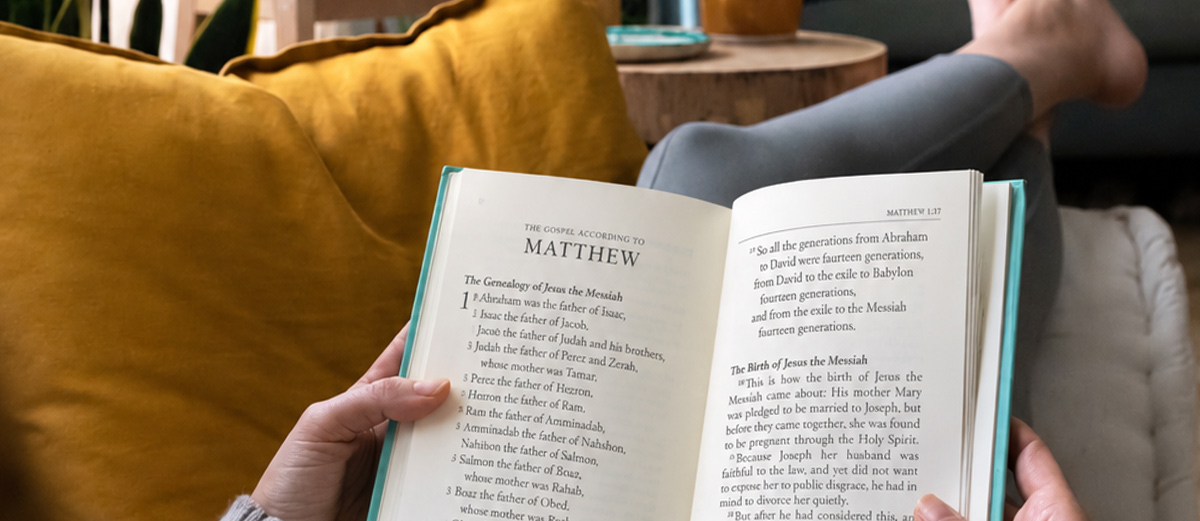

In Bible study, I often miss so much because of familiarity, but God has led me to a slower, more contemplative approach to scripture and prayer. Over the last couple of years, Matthew 6:9–13, “The Lord’s Prayer,” has deeply impacted not just my prayer life, but my life. I’ve come to a fuller understanding of each phrase of this seemingly simple prayer. Let’s slow down and consider what verse 10 says:
Against this backdrop, Jesus gives a stirring discourse we now call the “Sermon on the Mount.” In it, He paints a picture of this “upside-down kingdom,” and right in the center of the speech, He shares: “Therefore, you should pray like this:
your name be honored as holy.
Your kingdom come.
Your will be done
on earth as it is in heaven.
Give us today our daily bread.
And forgive us our debts,
as we also have forgiven our debtors.
And do not bring us into temptation,
but deliver us from the evil one.”
What Does the Kingdom Look Like?
The Kingdom of Heaven looks like Jesus—what he did, what he taught, how he loved. The gospels, and specifically the “Sermon on the Mount,” describe kingdom life so beautifully, as well as the many “one another” passages in the New Testament. And so it’s no surprise that Jesus summarized it perfectly when asked what the greatest commandment was.
“Jesus replied: ‘Love the Lord your God with all your heart and with all your soul and with all your mind.’ This is the first and greatest commandment. And the second is like it: ‘Love your neighbor as yourself.’ All the Law and the Prophets hang on these two commandments”

- Do I understand that I am God’s beloved? If not, what lies am I believing instead?
- Do I love God with my heart, soul, mind, and strength? In other words, am I all in?
- Does God’s love flow from me to those in my sphere of influence: my family, my neighbors, my church, and my community?
- Does my love look like the love of 1 Corinthians 13? If not, how is it different? What areas of my life do not seem to align with that kind of love?
And as you think about these questions, spend time in the gospels, the Sermon on the Mount, or the “one another” passages each day. Journal what you learn and how you see love through the life and works of Jesus.
When we begin to live as citizens of the Kingdom of Heaven, our lives will shine as a light into a dark world. We will find purpose. And we will change our world one relationship at a time.


ay Chance homeschooled her children for fifteen years. While teaching them, she discovered a passion for writing and developing curriculum resources. She loves sharing natural learning methods and creative lesson ideas with other homeschooling parents. Kay is the co-executive editor of Homeschooling Today magazine and the author of the older extensions for the Trail Guide to Learning series. She makes her home in Texas with her husband Brian.